
You must have an order with a minimum of $500.00 to place your order, your current order total is $0.00.
$517.13
Key Features
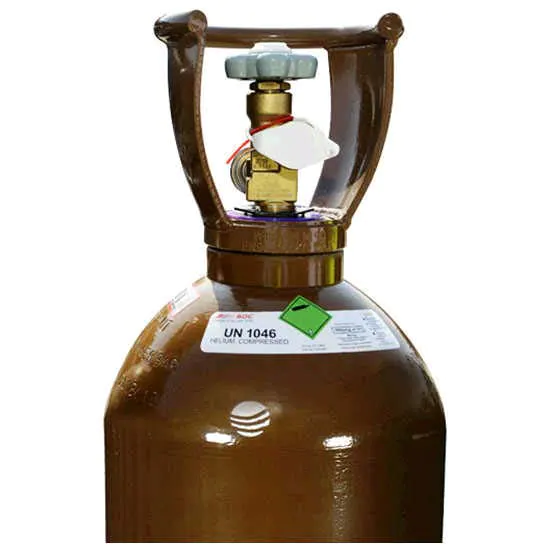
Supply Mode: Cylinders
Cylinder Type: Standard cylinder
Gas Type: Speciality gas
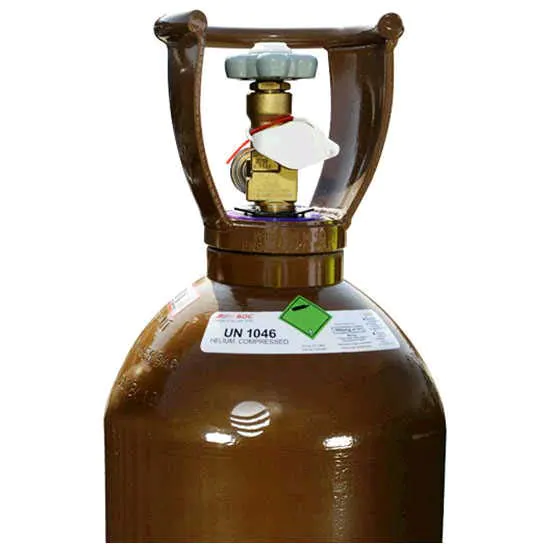
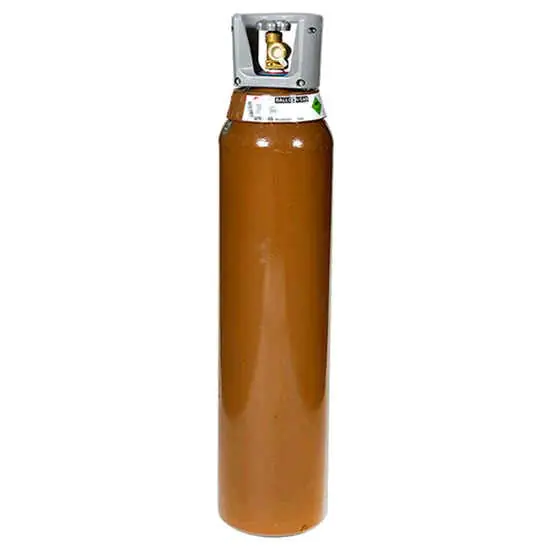
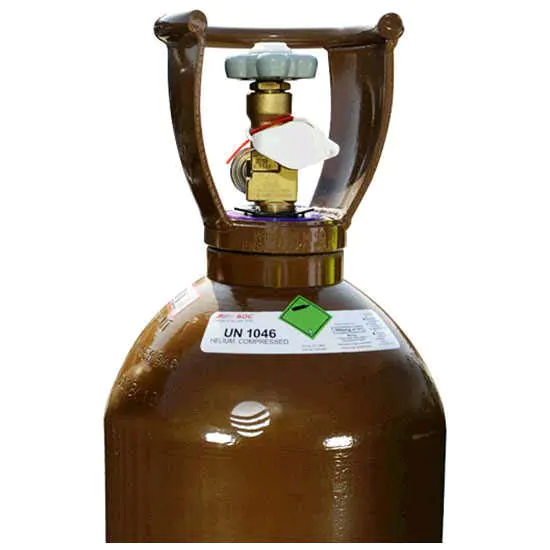
Gas Component: Helium
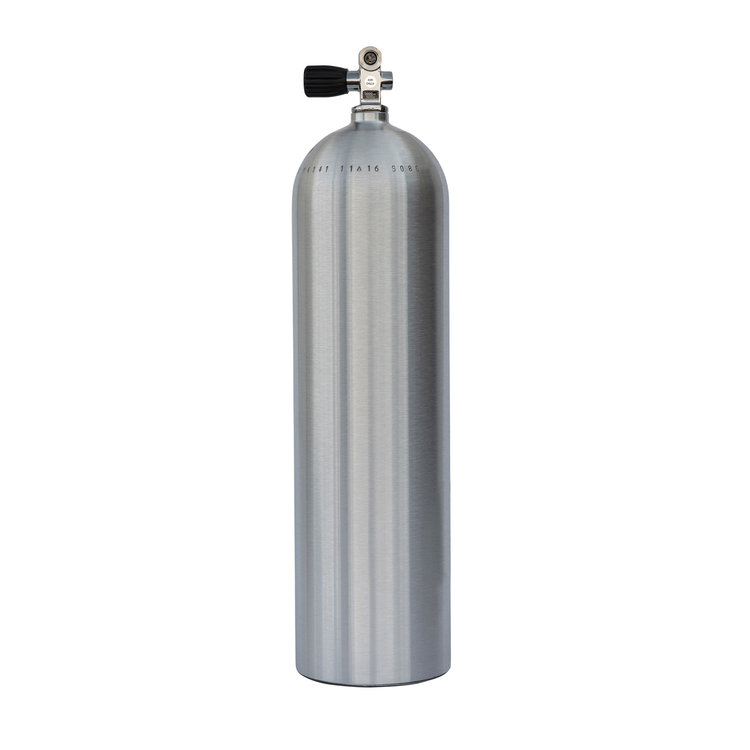
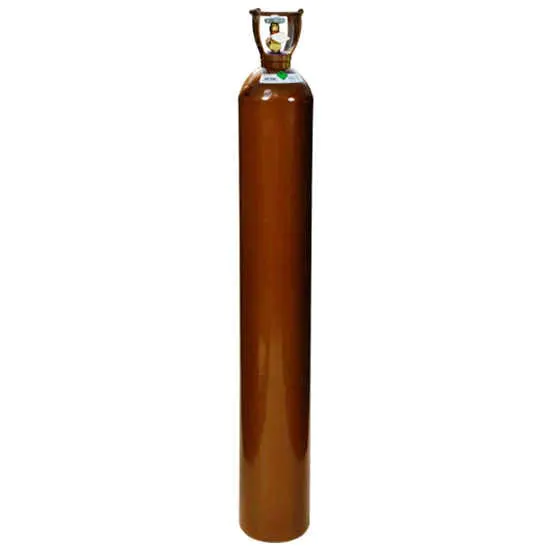
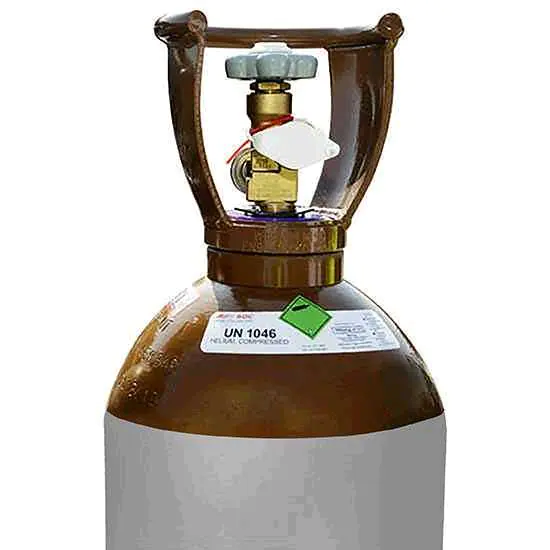
Helium Diving Tank – Purity and Diving Applications
Diving Gases Overview
The three gases generally used in recreational and technical diving are oxygen, nitrogen, and helium. Nitrogen is the most abundant and usually the default gas. However, purity standards for helium are far more critical, and the U.S. Compressed Gas Association (CGA) provides defined grades for diving applications.
Helium Properties
Helium is the most expensive diving gas. It makes up less than 0.001% of Earth’s atmosphere (50 ppm) and liquefies at −452 °F (−269 °C). Moreover, helium is the second most abundant gas in the universe, with our sun producing hundreds of tons each second. Since solar helium cannot be harvested, we rely on radioactive decay to produce stable helium for use.
Purity Standards for Diving Helium
The CGA G‑9.1 specification defines helium grades for diving and respiratory applications. Each batch is analyzed to verify purity and contaminant levels.
- Balloon Grade H – 97.5% purity.
- Risk: May contain up to 250 ppm carbon monoxide (CO).
- Therefore, unsafe at depth because contaminants can cause severe symptoms during ascent.
- Medical Grade J – 99.0% purity.
- CO limited to <10 ppm.
- Safe for breathing at the surface. However, it requires a medical prescription.
- Grade L (Welding Gas) – Not suitable for diving.
- Grade N (Diving Grade) – 99.997% purity.
- Contaminants limited to 30 ppm.
- Consequently, considered safe for diving and respirator applications.
Why Purity Matters
All helium is produced pure. Nevertheless, the difference lies in verification and analysis.
- Balloon and medical grades may leave contaminants undetected.
- Even medical grade helium has up to 10,000 ppm of unspecified impurities.
- In contrast, diving grade helium ensures contaminants are limited to 30 ppm, making it safe for human physiology under pressure.
Therefore, divers must always purchase diving‑grade helium to avoid dangerous contaminants at depth.
Be the first to review “Helium Diving Tank 200 Bar Grade”
Related products
Price range: $46.37 through $56.87
This product has multiple variants. The options may be chosen on the product page
Price range: $1,145.00 through $1,537.27
This product has multiple variants. The options may be chosen on the product page
Price range: $264.61 through $934.54
This product has multiple variants. The options may be chosen on the product page
Helium
Price range: $181.58 through $504.84
This product has multiple variants. The options may be chosen on the product page
Reviews
There are no reviews yet.