
You must have an order with a minimum of $500.00 to place your order, your current order total is $0.00.
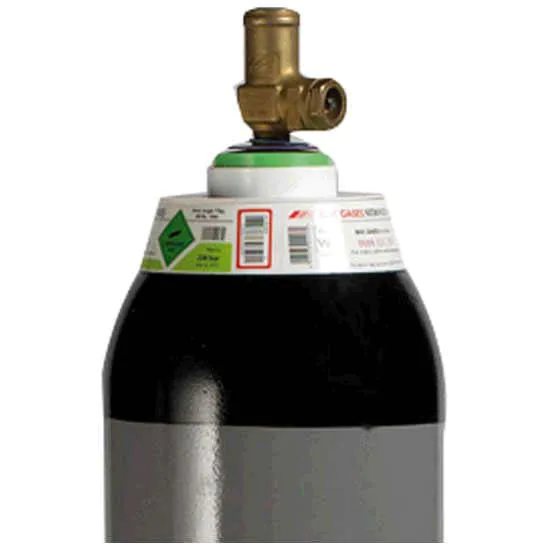
Price range: $33.59 through $47.99
Key Features
Supply Mode: Cylinders
Category: Inert
Purity: 99.998%
Outlet connection: 5/8” BSP female right hand cone recessed at 230 bar
Cylinder Type: Standard cylinder
Gas Type: Purging Gas
Gas Component: Nitrogen
Application: Purging; Cutting & Welding
The Nitrogen Cylinder (Oxygen Free) 230 Bar is a non‑corrosive, inert gas solution designed for industrial use. Nitrogen is fully compatible with common metals, provided the equipment is engineered to withstand the process pressure of a compressed gas cylinder.
Nitrogen is inert and non‑reactive, so it ensures safe handling across a wide range of applications. its stability makes it highly suitable for industries that require oxygen‑free environments.
Product Details
- Product Name: Nitrogen, compressed
- Trade Names: Nitrogen (Oxygen Free), Nitrogen BTCA 75, Nitrogen BTCA LE (Low Emission)
- Grades Available:
- Nitrogen CP Grade N5.2
- Nitrogen Food Grade
- Nitrogen ECD Grade
- Nitrogen Grade N6.0
- Nitrogen Pharmaceutical Grade
- Nitrogen Research Grade N5.5
- Nitrogen Zero Grade
- Other Name: Nitrogen (Special Gases)
Chemical name: Nitrogen
Chemical formula: N2
INDEX No. –
CAS-No. 7727-37-9
EC No. 231-783-9
REACH Registration No. Listed in Annex IV/V of Regulation (EC) No 1907/2006 (REACH),
exempted from registration.
- Odourless and colourless, non-toxic, does not support combustion, an asphyxiant (does not support life)
- Non-reactive except at very high temperatures
- Does not react with oxygen at low temperatures
- Inert, dry and slightly soluble
Nitrogen Cylinder is used for blanketing and purging applications to displace or dilute all unwanted gas or vapour.
Widely used for reasons of safety and the prevention of product degradation in the chemicals and petroleum industry:
Inerting reactors and storage tanks
Purging vessels and pipelines
Sparging
Pressure-transfer of liquids
Shielding or assist gas for plasma-cutting aluminium and stainless steel, and as an assist gas for laser-cutting stainless steel TIG-welding of tough-pitch copper
Heat-treatment processes to protect some of the most reactive metals
In electrochemical analysis, can be bubbled through to displace any oxygen
Pressure Transfer: Nitrogen gas moves liquids or slurries between process plants using controlled pressure. As a result, the transfer remains smooth, efficient, and contamination‑free.
Tyre Inflation: Nitrogen cylinders extend tyre life and help prevent bursts. In addition, nitrogen maintains stable pressure compared to regular air, which improves both safety and performance.
Pressurising Accumulators: Nitrogen provides reliable pressurisation for batch‑testing applications. Therefore, it ensures consistent performance and dependable results.
Shrink‑Fitting: Liquid nitrogen at ‑196°C reduces the physical dimensions of a component. Once cooled, the part connects to its mating component. Finally, as it warms back to room temperature, it expands to its original size and locks securely in place.
| Cylinder Size | X (2.1m3), Y (3.84m3), W (9.8m3) |
|---|
Be the first to review “Nitrogen Cylinder (Oxygen Free) 230 Bar”
Related products
Price range: $264.61 through $934.54
This product has multiple variants. The options may be chosen on the product page
Price range: $542.95 through $729.36
This product has multiple variants. The options may be chosen on the product page
Price range: $36.66 through $114.59
This product has multiple variants. The options may be chosen on the product page
Carbon Dioxide
Price range: $26.98 through $131.05
This product has multiple variants. The options may be chosen on the product page
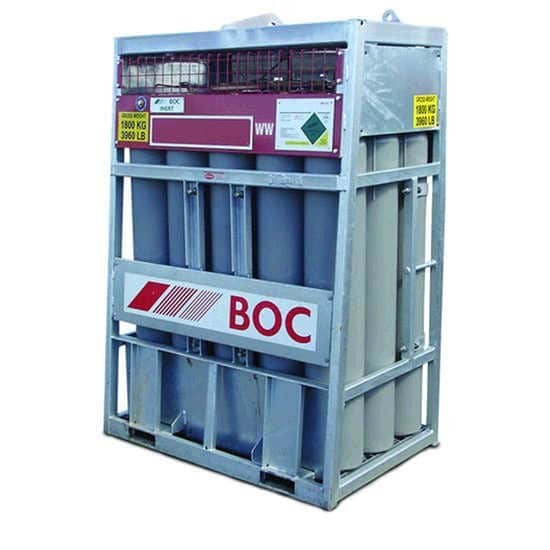

Nitrogen Gas
Price range: $172.78 through $2,691.01
This product has multiple variants. The options may be chosen on the product page
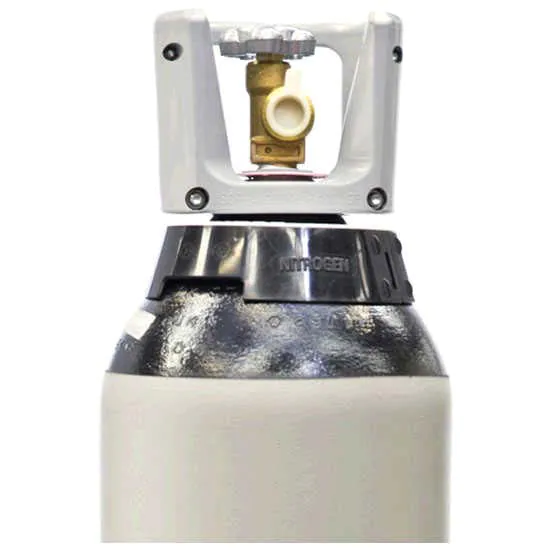
Price range: $312.56 through $368.88
This product has multiple variants. The options may be chosen on the product page
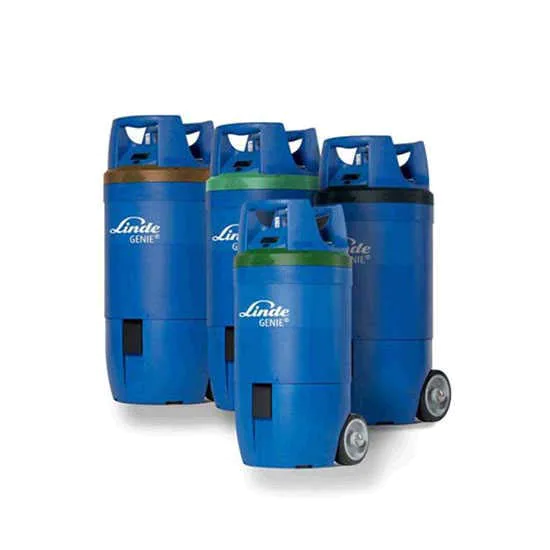
Reviews
There are no reviews yet.