
You must have an order with a minimum of $500.00 to place your order, your current order total is $0.00.
Price range: $24.48 through $34.04
Key Features
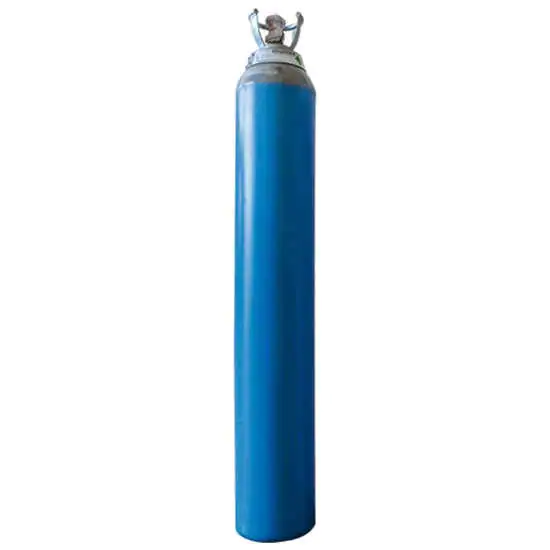
Supply Mode: Cylinders
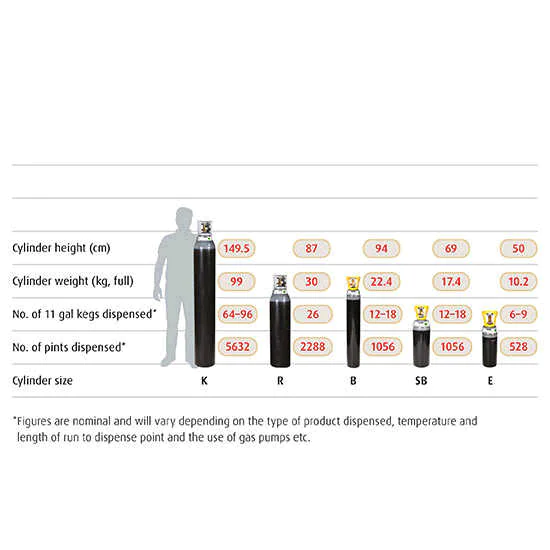
Flexibility: Range of cylinder sizes to suit customer usage levels
Cylinder Type: Standard cylinder
Gas Type: Healthcare gas
Gas Component: Carbon Dioxide
Medical Carbon Dioxide Cylinder – Compressed Gas
Product Overview
BOC Healthcare provi
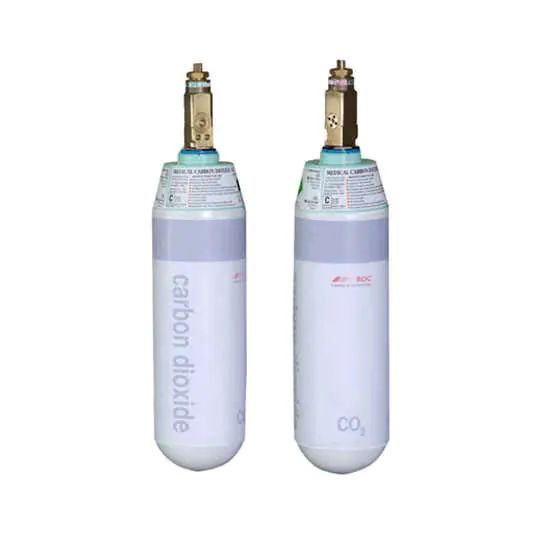
des an extensive range of specialist medical gases and equipment for healthcare professionals. Medical Carbon Dioxide Cylinder Compressed Gas is available in a variety of cylinder packages designed to meet different usage levels.
- C cylinder: 450 litres – suitable for lighter usage.
- VF option: 3600 litres – ideal for large on‑site supply.
- Ancillary equipment: Medical cylinder trolleys and storage solutions are also available.
Common Medical Uses
Medical Carbon Dioxide is widely used in healthcare:
- Insufflation gas for minimally invasive surgery (laparoscopy, endoscopy, arthroscopy). It enlarges and stabilizes body cavities, improving visibility during procedures.
- Cryotherapy: Achieves temperatures of −76 °C. Using crystallisation, body cells are destroyed, enabling removal of warts, moles, and skin tags.
- Respiratory stimulation: Supports breathing during and after anaesthesia.
Cylinder Package Benefits
- Wide range of cylinder sizes to suit usage levels.
- VF option provides 3600 litres for large supply needs.
- C cylinder offers 450 litres for lighter use.
- Full range of ancillary equipment for safe storage and mobility.
Physiological Effects of Carbon Dioxide
Carbon dioxide has direct effects on the human body:
- Low concentrations: May cause malaise, pallor, headache, nausea, or vomiting due to metabolic disturbances.
- Moderate concentrations (8–10%): Dizziness develops; unconsciousness may occur.
- High concentrations (12.5–20%): Most people lose consciousness within 1–2 minutes. At 20%, unconsciousness is universal.
- Extreme concentrations (30%): Rapid loss of consciousness, blood pressure may rise to 27 kPa (200 mm Hg), vasoconstriction occurs, heart rate drops to 40–50 bpm, and ECG changes appear.
Anaesthetic agents reduce these responses to carbon dioxide.
Distribution in the Body
When inhaled, carbon dioxide is rapidly distributed:
- Regulates the rate and depth of breathing.
- Maintains a constant arterial tension of 5 kPa (40 mm Hg).
- Plasma concentration is three times greater than in red blood cells.
- Carried in three forms:
- In solution (2.4–2.7 vol %)
- As bicarbonate (42.9–46.7 vol %)
- As carbamino compound (3.0–3.7 vol %)
These forms regulate blood pH and buffer changes caused by stronger organic acids.
Role in Oxygen Supply
Carbon dioxide produced by metabolism plays a vital role in oxygen delivery:
- The amount of oxygen released by haemoglobin depends directly on carbon dioxide tension in the blood.
- Tissue activity and inhaled concentration govern this tension.
- Therefore, oxygen release to tissues increases when carbon dioxide tension rises.
Apnea and Accumulation
When a patient becomes apneic:
- Carbon dioxide accumulates in the blood at a rate of about 0.7 kPa (5 mm Hg) per minute.
- This accumulation highlights the importance of monitoring CO₂ levels during anaesthesia and respiratory support.
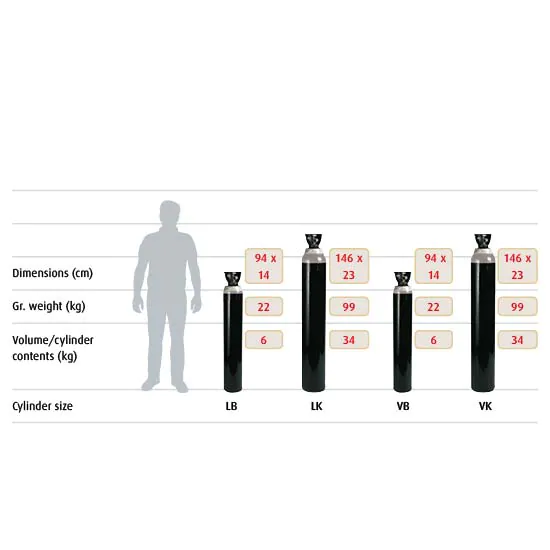
| Cylinder Size | C (450 litres), E (1800 litres), LF (3600 litres), VF (3600 litres) |
|---|
Be the first to review “Medical Carbon Dioxide Cylinder Compressed Gas”
Related products
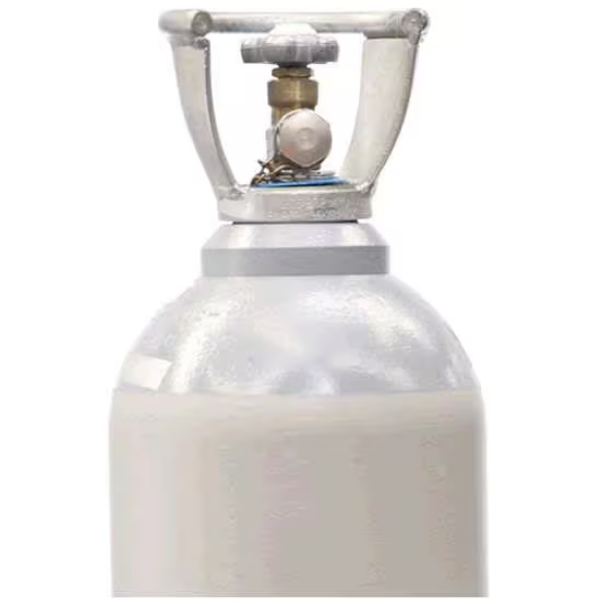
Carbon Dioxide
Price range: $527.65 through $1,407.70
This product has multiple variants. The options may be chosen on the product page
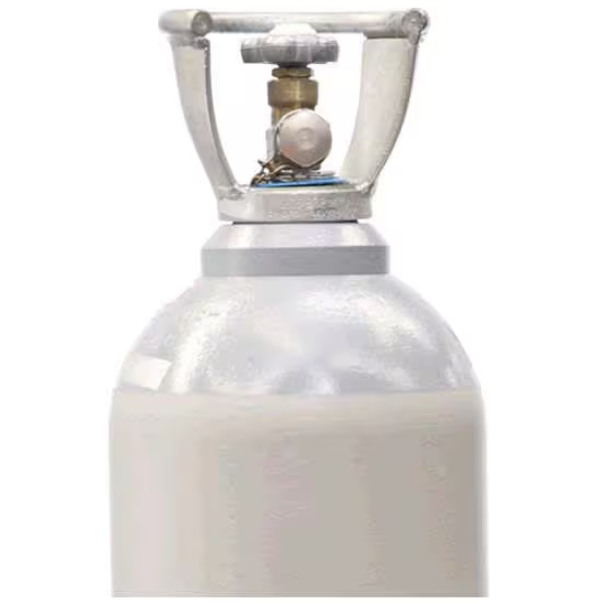
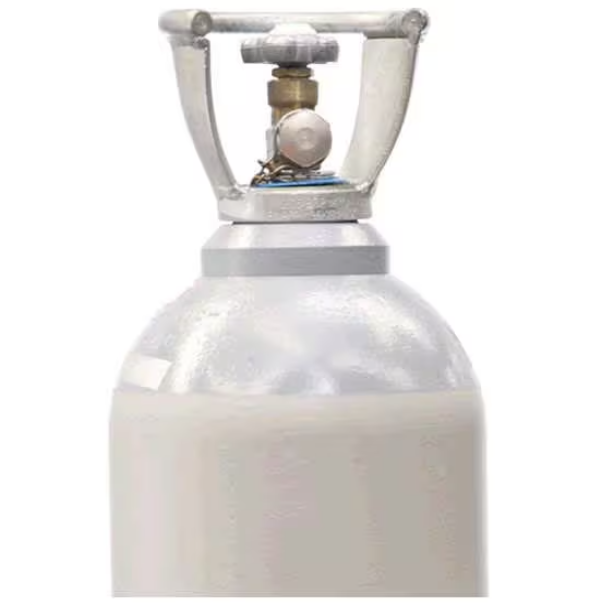
Carbon Dioxide
Price range: $156.17 through $419.10
This product has multiple variants. The options may be chosen on the product page
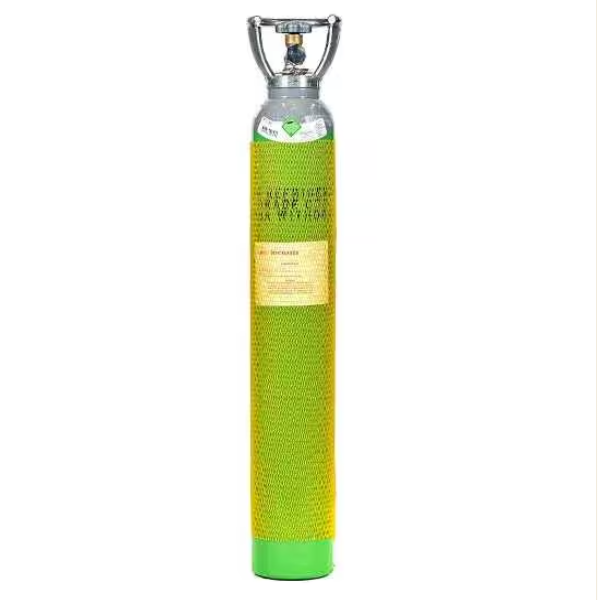
Carbon Dioxide
Price range: $26.98 through $131.05
This product has multiple variants. The options may be chosen on the product page
Carbon Dioxide
Price range: $26.58 through $66.96
This product has multiple variants. The options may be chosen on the product page
Carbon Dioxide
Price range: $38.88 through $99.24
This product has multiple variants. The options may be chosen on the product page
Carbon Dioxide
Price range: $25.79 through $59.39
This product has multiple variants. The options may be chosen on the product page
Reviews
There are no reviews yet.