
You must have an order with a minimum of $500.00 to place your order, your current order total is $0.00.
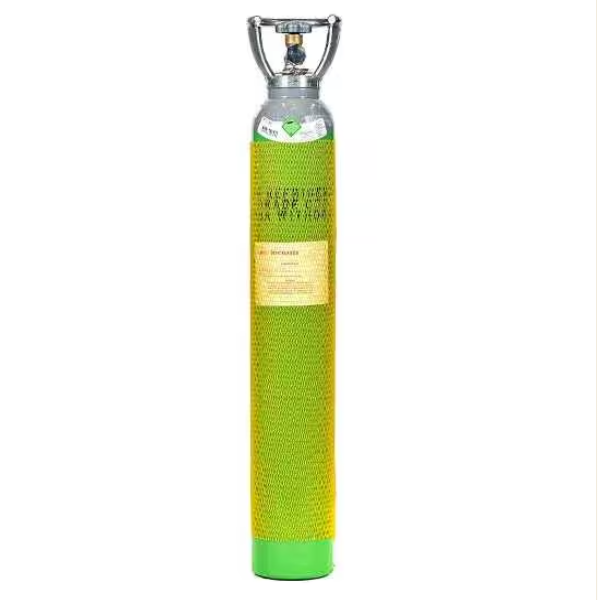
Price range: $26.98 through $131.05
Key Features:
Supply Mode: Cylinders
Cylinder Type: Standard cylinder
Gas Type: Refrigerant gas
Gas Component: Carbon Dioxide
R744 Carbon Dioxide (CO₂) Refrigerant Cylinder
Safety Information
High concentrations of R744 Carbon Dioxide Refrigerant Cylinders may cause asphyxiation. Symptoms include loss of mobility or consciousness, and victims may not realize they are affected. Therefore, remove the victim to an uncontaminated area while wearing self‑contained breathing apparatus. In addition, keep the victim warm and rested, call a doctor, and apply artificial respiration if breathing has stopped.
Low concentrations may cause increased respiration and headaches. Consequently, adequate ventilation is essential during use.
Specifications
| Product Code | Weight | Withdrawal Type |
|---|---|---|
| 165394‑W | 34 Kg | Vapour |
| 161011‑V | 7 Kg | Vapour |
| 160464‑W | 34 Kg | Liquid |
| 159914‑V | 7 Kg | Liquid |
Product Identifier
- Product Name: Carbon dioxide
- Trade Names: Carbon Dioxide Food Grade, R744, Laserpure, CP Grade
- Other Name: Carbon Dioxide (Special Gases)
- Chemical Formula: CO₂
- CAS No.: 124‑38‑9
- EC No.: 204‑696‑9
- REACH Registration No.: Listed in Annex IV/V of Regulation (EC) No 1907/2006 (REACH), exempted from registration
- Purity: 100% (classification only; consult documentation for supplied purity)
Identified Uses
R744 Carbon Dioxide is widely used in industrial and professional applications. For example:
- Aerosol propellant
- Balance gas for mixtures
- Beverage applications
- Biocidal uses
- Blanketing gas
- Blast cleaning
- Calibration and carrier gas
- Chemical synthesis
- Combustion, melting, and cutting processes
- Cooling and freezing applications
- Fire suppression
- Food packaging gas
- Heat transfer and inerting gas
- Inflation systems
- Laboratory and laser gas
- Plant growth promotion
- Pressure head gas
- Purge gas and refrigerant
- Solvent for extraction
- Special effects (entertainment)
- Test gas
- Shielding gas in welding
Consumer Use: Propellant gas and shielding gas in welding.
Uses Advised Against
Industrial or technical grade CO₂ is unsuitable for medical applications, food applications, or inhalation.
Classification (EC No. 1272/2008)
- Physical Hazards: Gases under pressure – Liquefied gas (H280: Contains gas under pressure; may explode if heated).
- Signal Word: Warning
- Hazard Statement: H280: Contains gas under pressure; may explode if heated.
- Storage Precaution: P403: Store in a well‑ventilated place.
- Other Hazards: Asphyxiant in high concentrations; contact with evaporating liquid may cause frostbite or skin freezing.
Handling Precautions
- Conduct a material compatibility and safety study before use.
- Ensure adequate ventilation and comply with all regulations.
- Protect containers from physical damage; do not drag, roll, slide, or drop.
- Keep labels intact for identification.
- Secure cylinders upright and close valves when not in use.
- Prevent suck back of water, acids, or alkalis.
- Store below 50°C in ventilated areas.
- Never use direct flame or electrical heating devices to raise pressure.
- Keep valve caps in place until secured.
- Report damaged valves immediately; never attempt repairs.
- Replace outlet caps or plugs after disconnection.
- Keep valve outlets clean and free from oil or water.
- Stop use if valve operation is difficult and contact supplier.
- Never transfer gases between containers.
- Be aware that depressurisation below 5 bar may create solid CO₂ (dry ice), blocking protective devices.
| Cylinder Size | V (7Kg), W (34Kg) |
|---|---|
| Withdrawal Type | Liquid, Vapour |
Be the first to review “R744 Carbon Dioxide (CO2) Refrigerant Cylinder”
Related products
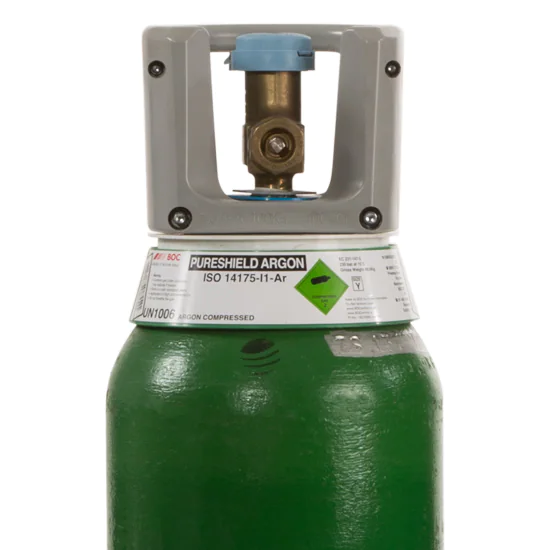
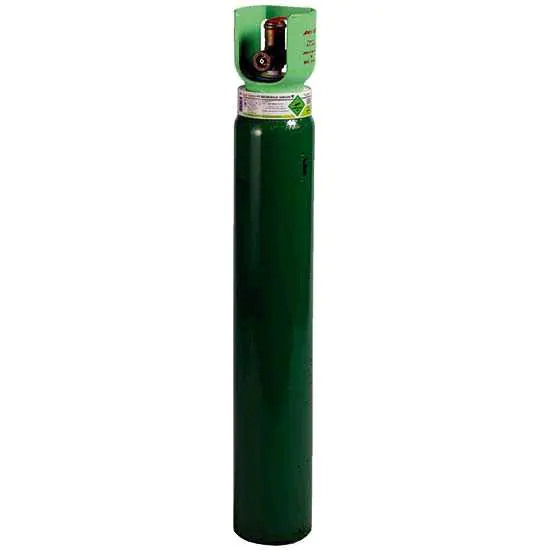
Price range: $36.66 through $114.59
This product has multiple variants. The options may be chosen on the product page
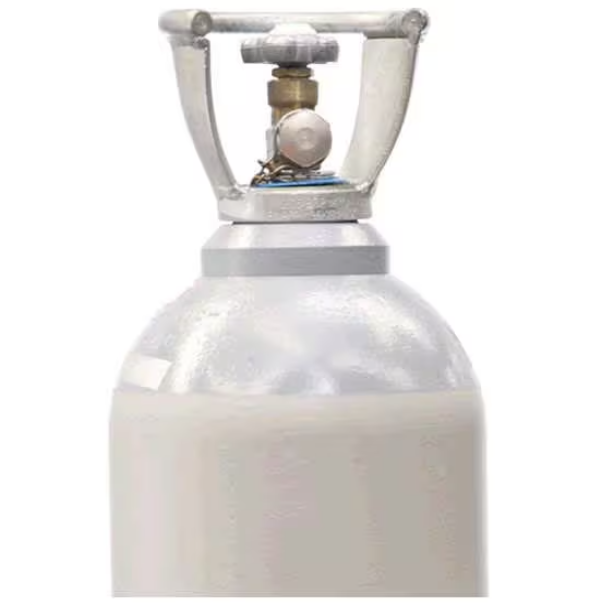
Carbon Dioxide
Price range: $156.17 through $419.10
This product has multiple variants. The options may be chosen on the product page
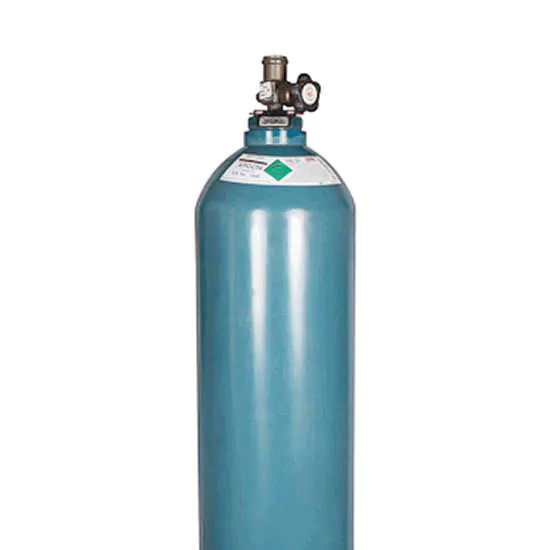
Price range: $1,145.00 through $1,537.27
This product has multiple variants. The options may be chosen on the product page


Compressed Air
Price range: $11.53 through $27.32
This product has multiple variants. The options may be chosen on the product page
Price range: $139.19 through $210.59
This product has multiple variants. The options may be chosen on the product page
Reviews
There are no reviews yet.